
When to Refer for Physiotherapy in Veterinary Medicine

As professionals in the veterinary industry, we know that patient recovery is rarely a
straight line. As physiotherapists, we often encounter patients and their owners at a
particularly vulnerable point: immediately after injury or surgery. This means meeting
a client who needs both support and education, while also ensuring that we meet the
veterinarian’s treatment requirements for the patient.
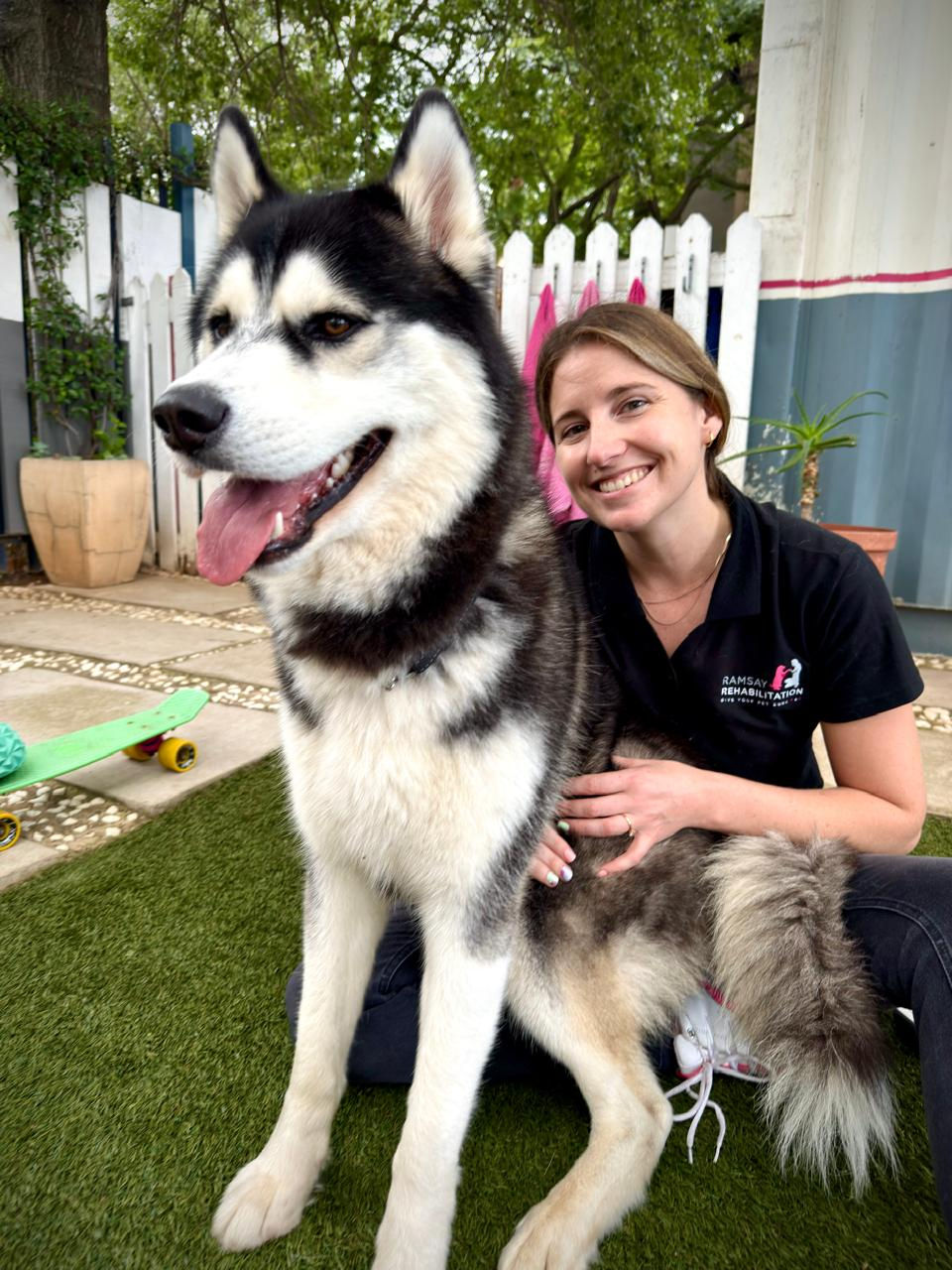
The timing of veterinary physiotherapy is essential. When to start physiotherapy is one of the most common questions we receive as veterinary physiotherapists working within a referral centre. Early physiotherapy becomes particularly important following surgical procedures where muscle loss, pain and compensatory movement patterns can develop very quickly.
Two conditions we commonly encounter postoperatively are IVDD and Patients who have had a FHNE. In these clinical situations, we usually start physiotherapy early on, after surgery. The success of the recovery for these patients, often relies heavily on appropriate muscle activation and controlled weight bearing. Early physiotherapy plans in these postoperative cases rely strongly on treatment plans that include gentle neuromuscular activation, pain relief and progressive loading protocols.

A number of studies have been conducted around the efficacy of veterinary physiotherapy and specifically the benefits of starting therapy early. One such study
by Y. Kim and colleagues (2019) examined dogs undergoing surgical decompression for thoracolumbar intervertebral disc herniation and compared recovery outcomes between those that received postoperative rehabilitation therapy and those that did not. The study found that dogs that participated in physiotherapy following surgery showed improved clinical recovery compared with those managed without rehabilitation. The authors concluded that physiotherapeutic rehabilitation may support improved functional outcomes following decompression surgery in dogs with thoracolumbar IVDD.
A second study, A randomized, blinded, prospective clinical trial of postoperative
rehabilitation in dogs after surgical decompression of acute thoracolumbar
intervertebral disc herniation (Zidan et al., 2018), published in the Journal of
V eterinary Internal Medicine, evaluated whether intensive postoperative
physiotherapy improves recovery in dogs after surgery for acute IVDD. Thirty dogs
that were unable to walk but still had deep pain underwent decompressive surgery
and were randomly assigned to either basic physiotherapy (standard care with sling
walking and PROM exercises) or intensive physiotherapy (including exercises such
as supported standing, balance training, NMES, and underwater treadmill). The dogs
were monitored for recovery of walking ability, coordination, pain, and muscle mass
over 14 and 42 days after surgery.

The study found that early rehabilitation was safe and well tolerated, with no adverse effects reported. Most dogs regained the ability to walk within about seven days after surgery, although the intensive rehabilitation programme did not significantly accelerate recovery compared with the basic programme. Together, these studies highlight the value of physiotherapy as part of the recovery process for dogs undergoing surgery for IVDD.
As more scientific research is conducted in the veterinary physiotherapy field, evidence continues to emerge that points to the immense benefits of physiotherapy and the important role physiotherapists play in the recovery journey of patients. This highlights the need for collaboration. Working together means that patient outcomes
become a shared success, and ultimately a return to function is what veterinary physiotherapy is all about. This is most often achieved with greater success and improved patient comfort when all the professionals involved are working toward the same goals.
Veterinary physiotherapy is not about doing more; it is about doing the right
treatments at the right time. When the treatment of patients incorporates both
veterinary medicine, whether surgical or medical, together with veterinary
physiotherapy, the rewards for the patient can be significant. Referral-based
physiotherapy relies on ongoing communication between the physiotherapist and the
referring veterinarian. Each patient presents with slightly different surgical findings,
neurological status, and pain levels, and these factors influence how quickly that
patient’s rehabilitation can progress.
Close collaboration allows the overall treatment plan to evolve alongside the
patient’s recovery. In neurological cases, subtle improvements in motor function can
guide the choice of exercise and the intensity of the rehabilitation programme.
Similarly, in orthopaedic cases following procedures such as femoral head and neck
excision, careful monitoring of limb use and muscle engagement helps determine
when loading can be safely increased. This collaborative approach allows
physiotherapy to remain dynamic rather than strictly protocol-driven.
Working within a referral centre can streamline the collaboration process, but many
veterinary physiotherapists across South Africa are not based within referral centres,
which highlights the need for clear communication protocols between professionals.
The ideal situation may be one where veterinary surgeons and veterinary
physiotherapists work in close proximity, but this is not always the reality. However,
given the advances in technology today, adapting to new tools is important. There
are many technological options available, including recording applications that allow
physiotherapists to document patient progress and provide feedback to colleagues
when needed. Distance between professionals should not be a limiting factor in
collaboration.
For physiotherapists working independently or travelling between practices, it is
important to build time into the workday for communication and administration.
Setting aside dedicated time for these tasks not only prevents us from becoming
overwhelmed but also ensures that communication remains consistent and
professional, even when the team is not physically working in the same space.

The reality, which has been demonstrated repeatedly, is that veterinarians and
veterinary physiotherapists need each other. Each profession plays a unique role in
patient recovery. Veterinary physiotherapy is not glamorous. It is demanding,
continuous work, and to be successful requires a wide range of skills. To build a
career in this field requires physical ability, strong clinical reasoning, patience, and a
willingness to continue learning. It takes true passion for this niche field. A passion
for seeing an animal return to function, and for helping clients feel supported
throughout the recovery process. When that passion is present, the hard work
becomes worthwhile, and the outcomes can be incredibly rewarding.
Written by Sr. Candice d’Almeida ( DVN, Vet Physio)
Edited by Caitlin Eddy
Article References
Kim, Y., et al. (2019). Canine thoracolumbar intervertebral disk herniation and
rehabilitation therapy after surgical decompression: A retrospective study . Animals,
9(9), 676.
Zidan, N., Sims, C., Freeman, P., et al. (2018). A randomized, blinded, prospective
clinical trial of postoperative rehabilitation in dogs after surgical decompression of
acute thoracolumbar intervertebral disc herniation. Journal of Veterinary Internal
Medicine, 32(3), 1133–1141
Comments